

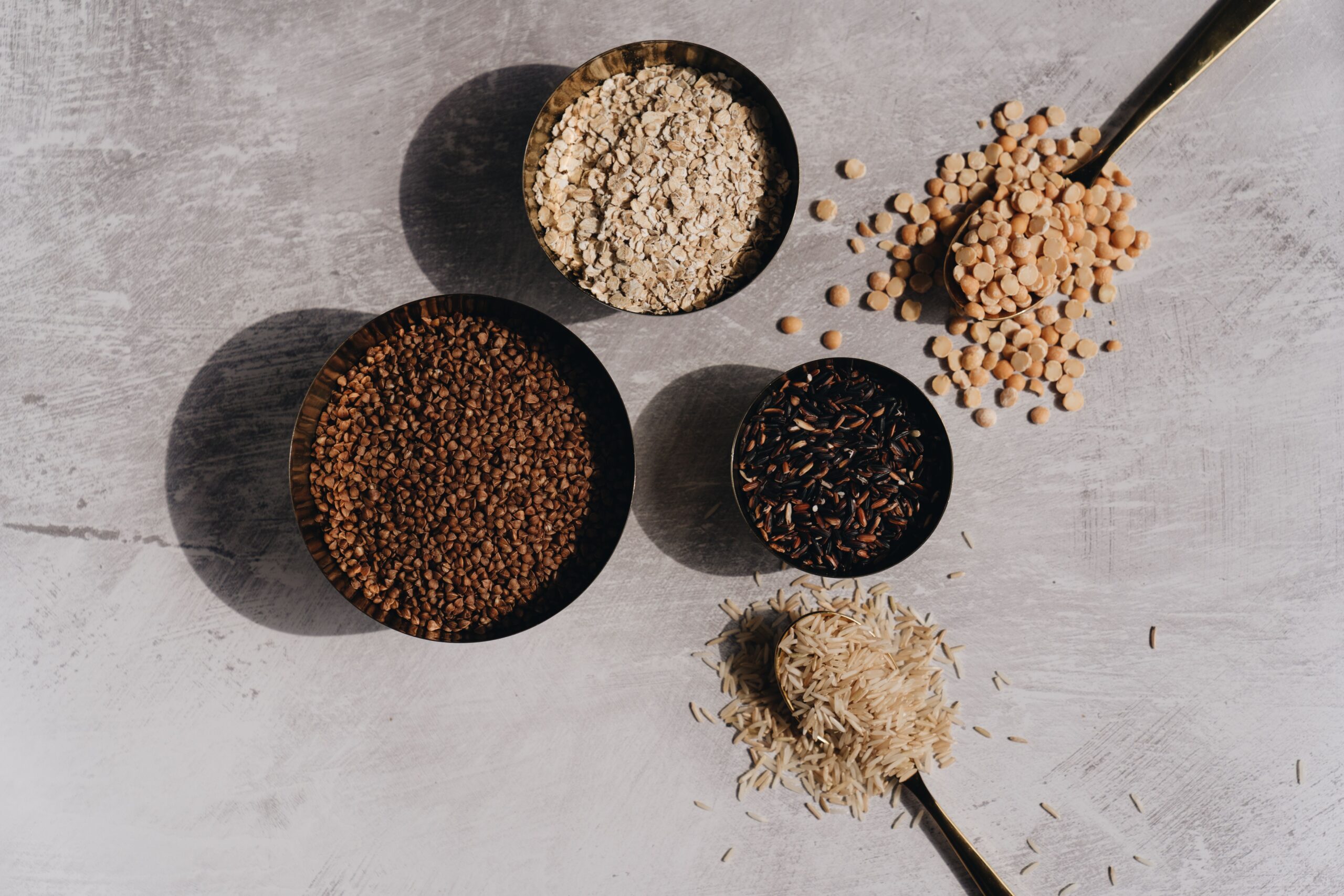
For decades, millions of people were taught that rice and beans only worked if they appeared together on the same plate. The woman who helped spread that idea eventually admitted she had been wrong, yet the meal itself survived the correction.
There is something quietly fascinating about that. A simple bowl of rice, black beans, eggs, and avocado remains affordable, filling, and nutritionally useful, even after one of the rules attached to it fell apart.
A Nutrition Myth That Outlived Its Creator
In 1971, Frances Moore Lappé published Diet for a Small Planet, a book that changed how many Americans thought about food. One of its most influential ideas was that plant proteins needed to be carefully combined because individual sources were supposedly incomplete.
Rice with beans became the classic example. The idea spread through cookbooks, classrooms, and conversations about vegetarian eating, eventually becoming accepted as a nutritional rule by people who had never read Lappé’s original book.
She Later Corrected The Record
Ten years later, Lappé acknowledged that strict protein combining was unnecessary. In the tenth anniversary edition of her book, she corrected the idea herself, explaining that the body does not treat every meal as an isolated nutritional event.
The body maintains a circulating pool of amino acids, meaning protein consumed at different points throughout the day can contribute to overall nutritional needs. Registered dietitian Reed Mangels has similarly explained that strict protein combining “is not necessary,” while variety and adequate intake across the day matter more.
The old rule was wrong, but the bowl was still a good idea.
Why Rice And Beans Work So Well
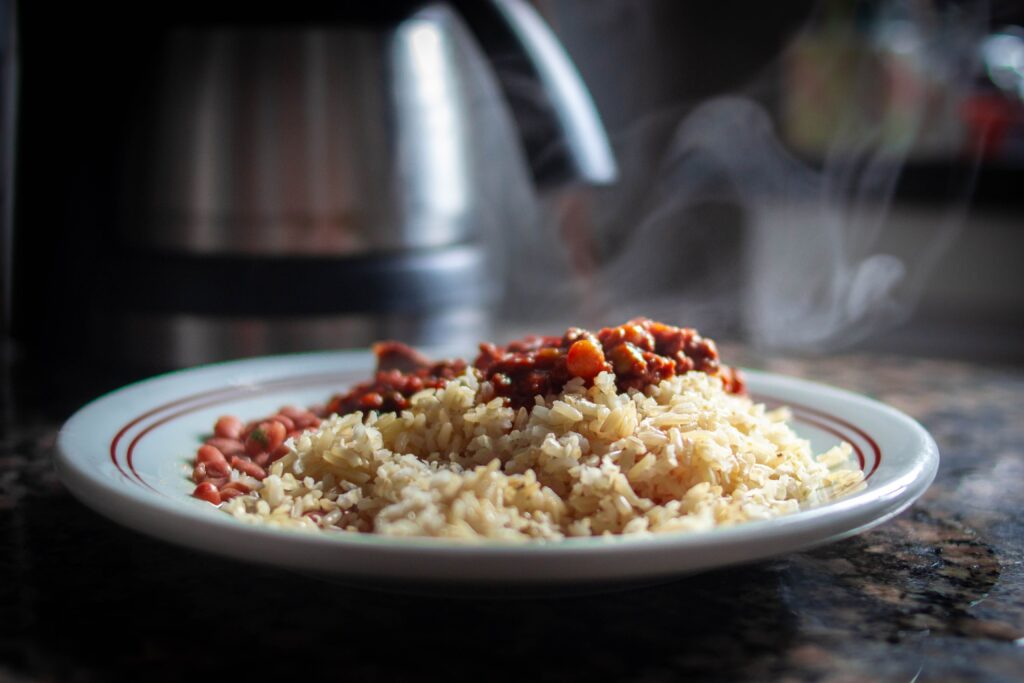
The original theory came from a real observation about amino acids, even though the conclusion became too rigid. Protein is built from amino acids, including nine that the human body cannot make for itself.
Beans and grains contain all nine essential amino acids, but their proportions differ. Legumes such as black beans tend to provide more lysine relative to methionine, while grains such as rice have a different balance.
Complementary Does Not Mean Required
Eating rice and beans together can provide a complementary amino acid profile, but they do not have to be eaten during the same meal. A person can eat beans at lunch and grains later in the day while still drawing from the body’s available amino acid pool.
That distinction may seem small, but it changes how people think about food. Nutrition is often presented as a collection of strict rules, even though the body is more adaptable than many popular wellness claims suggest.
The value of this meal does not depend on perfection. Rice and beans are practical, affordable foods that work well together, whether or not someone follows an old rule about eating them at the same sitting.
Eggs Make The Bowl More Substantial
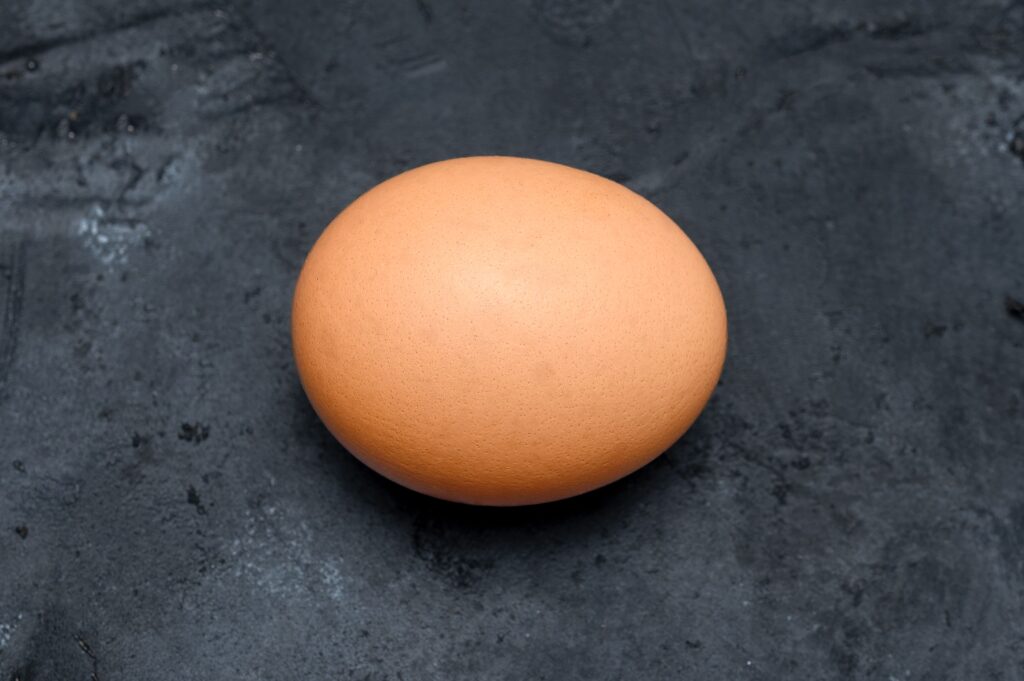
Add scrambled eggs to the combination, and the meal gains another source of high-quality protein. Eggs also provide nutrients including vitamin B12, selenium, and choline, with B12 being one nutrient that beans and rice do not naturally provide in meaningful amounts.
A Budget Bytes recipe built around black beans and eggs includes rice and avocado and is priced at about $4.72 for four servings. That works out to roughly $1.18 per serving.
Each serving contains approximately:
- 529 calories: Enough energy to make the bowl a substantial meal.
- 23 grams of protein: A significant contribution toward daily protein needs.
- 15 grams of fiber: More than half the FDA’s daily value of 28 grams.
- Vitamin B12 and choline: Nutrients supplied in part by the eggs.
- Plant-based nutrients: Including fiber and minerals from the beans and other ingredients.
The affordability may be as important as the nutrient profile. Food advice often assumes people have unlimited money and access to specialty ingredients, while a meal made from canned beans, rice, eggs, and a few fresh foods can feed several people without much expense.
The Avocado May Be Doing More Than Adding Flavor
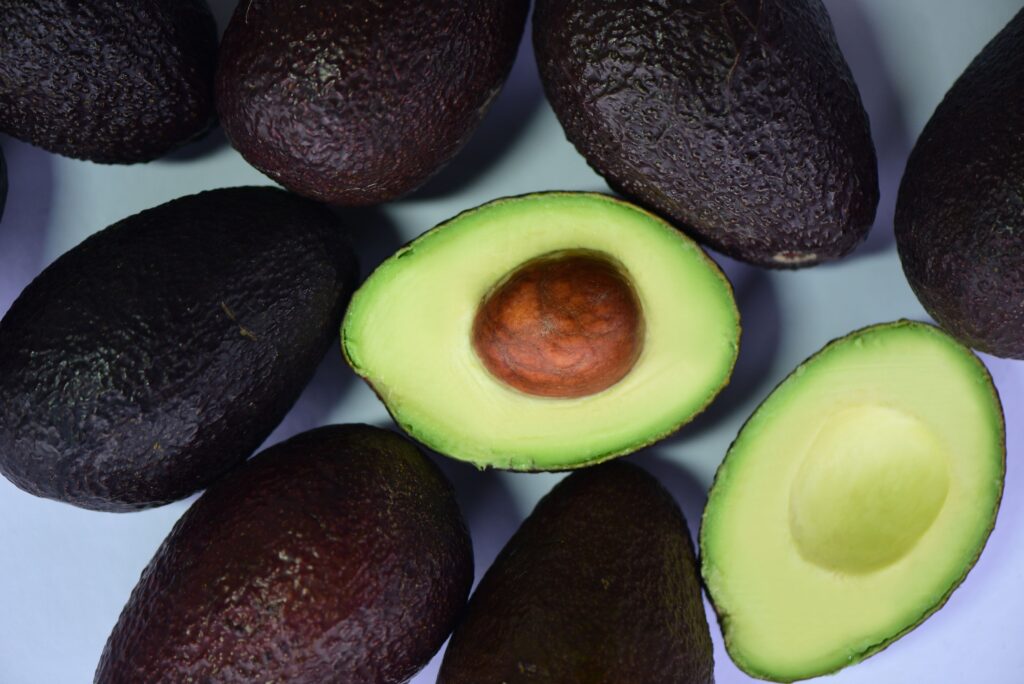
Half an avocado on top can seem like a simple finishing touch, but dietary fat can play a role in nutrient absorption. Certain compounds found in plant foods are fat-soluble, meaning fat can help the body absorb them.
A 2005 crossover study examined what happened when healthy adults consumed avocado alongside foods containing carotenoids. The researchers found higher absorption of compounds including lycopene and beta-carotene when avocado was included.
The Research Has Important Limits
The study involved only 11 people, and the foods tested were not identical to this particular rice and bean bowl. It supports a biological mechanism rather than proving that avocado will produce the same results in every meal.
Still, the principle is useful. Avocado contributes monounsaturated fat and potassium while adding another nutritional dimension to a meal built around beans, grains, and eggs.
This is one reason it can be misleading to judge foods as isolated objects. Meals bring ingredients together, and the way nutrients interact can matter as much as the individual numbers printed beside them.
What Research Shows About Bean Eaters
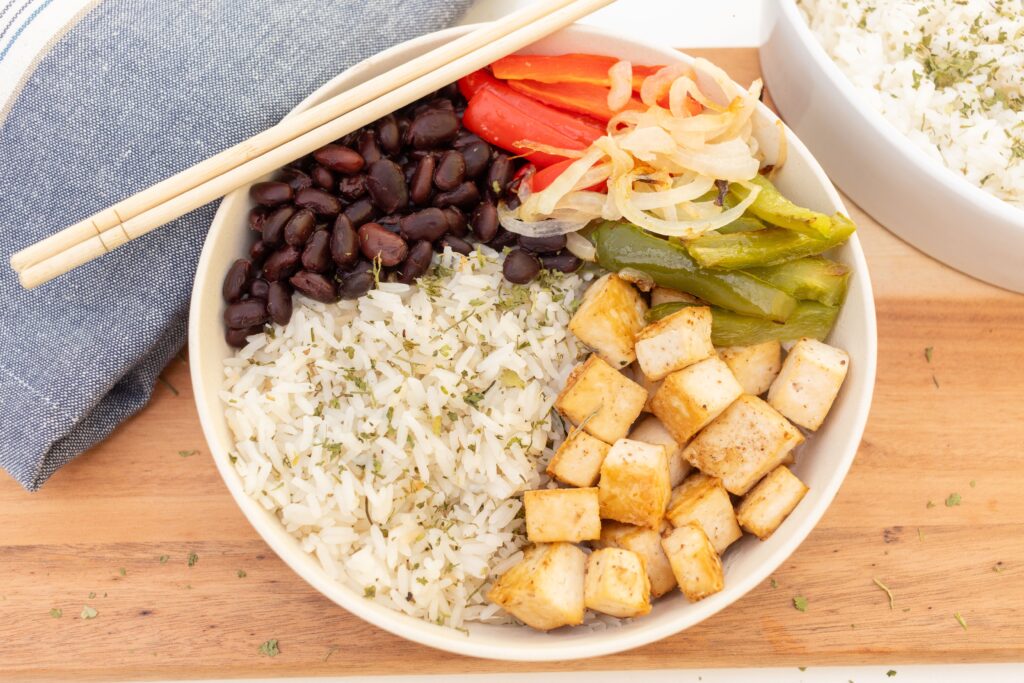
Beans have remained a staple in many traditional diets because they are inexpensive, versatile, and rich in fiber. Research examining 18 years of national nutrition survey data found that adults whose dietary patterns included beans generally scored higher on the USDA’s Healthy Eating Index than those who ate none.
The bean-eating patterns scored between 55.2 and 61.2, while adults who did not eat beans scored 48.8. Bean eaters also consumed more fiber, potassium, folate, magnesium, and several other nutrients.
Association Is Not Proof
The research cannot prove that beans alone caused those differences. People who eat beans regularly may also have other eating habits that contribute to their overall diet quality.
That distinction is worth protecting whenever nutrition research becomes a headline. A food does not need magical powers to be useful, and beans have plenty of practical strengths without exaggerated claims.
They offer fiber, plant-based protein, and important nutrients at a price that remains accessible to many households. Sometimes the foods with the longest history are also the least interested in marketing themselves.
No Single Bowl Can Cover Everything
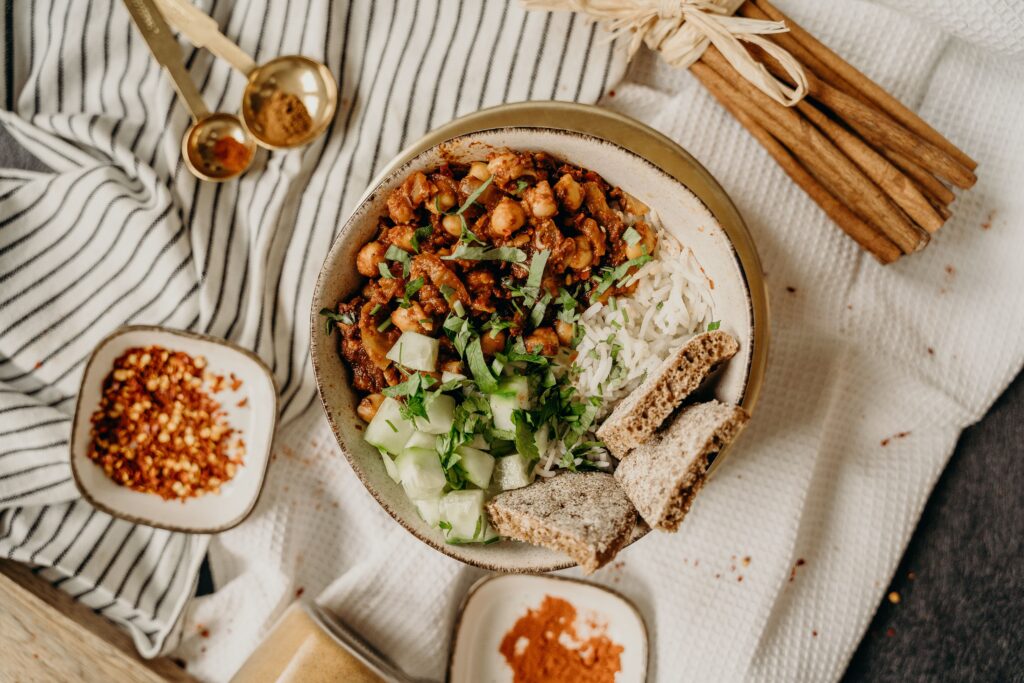
Calling any meal the most perfect food your body will ever need creates expectations no single plate can meet. This bowl has nutritional gaps, including relatively little vitamin C unless extra ingredients are added.
Calcium is also not especially abundant. That does not make the meal unhealthy; it simply shows why dietary variety matters across days and weeks.
Easy Ways To Add More Variety
A few inexpensive additions can broaden the meal without changing its basic appeal:
- Lime juice: Adds flavor and vitamin C.
- Salsa or tomatoes: Provides additional plant compounds and vitamin C.
- Spinach: Adds leafy greens and a wider range of micronutrients.
- Other vegetables: Help use whatever fresh food is already available.
- Fruit on the side: Adds further variety across the meal.
Good nutrition does not require turning every dinner into a complicated project. The goal is not to make one plate responsible for every nutrient the body needs.
What Lappé’s Correction Can Teach Us
There is a human lesson in the history of this meal that reaches beyond protein. Frances Moore Lappé built a famous argument around an idea she later realized needed correcting, and she chose to correct it publicly.
Information often travels farther and lasts longer than its updates. A compelling rule can become cultural common knowledge even after the person who introduced it has changed their mind.
Knowledge Can Become More Accurate
Lappé’s mistake about strict protein combining did not make rice and beans a bad meal. The correction simply produced a more nuanced understanding of how the body uses protein.
Rice and beans remained affordable, nourishing foods. Eggs added protein and nutrients such as B12 and choline, while avocado contributed healthy fats and could support the absorption of certain plant compounds.
Progress in nutrition often looks like this: an overly simple rule gives way to a more flexible understanding. The answer becomes less dramatic, but it may also become more useful.
A Good Meal Does Not Need To Be Perfect
The appeal of this bowl may come from its simplicity. It does not require an expensive powder, a complicated protocol, or the promise that one meal can solve every nutritional problem.
Beans, rice, eggs, and avocado offer a solid foundation, with room for vegetables, salsa, lime, or whatever else happens to be available. At roughly $1.18 per serving in the source recipe, the meal also shows that nourishing food does not always have to arrive with a premium price tag.
The bowl outlived the myth attached to it because its value never depended on that myth. Sometimes a better understanding does not make life more complicated. Sometimes it allows us to appreciate what was quietly working all along.