


We Spend Almost Our Entire Lives Indoors. A Doctor Thinks Our Bodies Are Paying the Price
There is something strange about the modern version of comfort. We have temperature-controlled rooms, filtered water, soft beds, endless entertainment, and the ability to communicate with almost anyone without stepping outside. By many measures, daily life has become safer and more convenient than it was for the generations that came before us. Yet many people still wake up tired, feel mentally foggy by midmorning, and find themselves strangely alert late at night when their bodies should be preparing for sleep.
Dr. John La Puma believes part of the answer may be sitting quietly in the background of modern life. His argument begins with a simple fact: Americans spend an overwhelming share of their lives inside. The question is not whether buildings and technology have made life easier. They clearly have. The deeper question is what happens when a species shaped by daylight, movement, weather, and changing seasons spends most of its time separated from them.
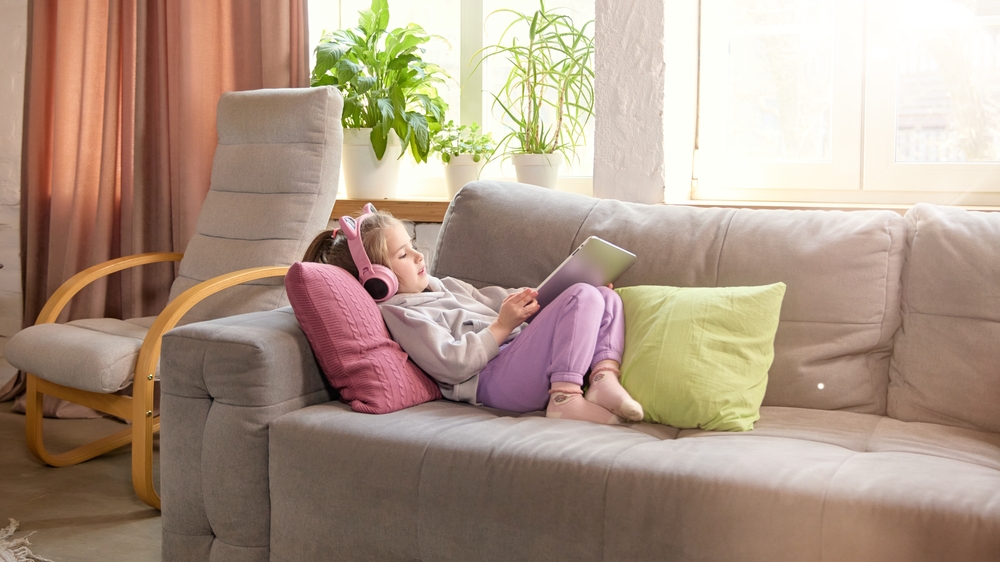
The Number That Changed How We See Daily Life
The statistic behind this conversation came from a large telephone survey conducted between late 1992 and September 1994. Researchers from the University of Maryland’s Survey Research Center asked people across the 48 contiguous states to reconstruct the previous 24 hours of their lives. They went through their days piece by piece, recording time spent at home, at work, in stores, outside, and inside vehicles.
The result was striking. Participants spent 87 percent of their time indoors, while another 6 percent was spent inside vehicles. Combined, that produced the now-famous figure of 93 percent. Researcher W. R. Ott summarized the finding with a phrase that still feels unsettling decades later: “We are basically an indoor species.”
The original purpose of the research is important, though. The Environmental Protection Agency supported the work because researchers needed better information about people’s exposure to air pollution. The survey was designed to understand what people were breathing throughout the day. It was not originally intended to explain depression, sleep problems, stress, or the broader effects of spending most of life behind walls.
Yet the number eventually took on a larger meaning. Once people began looking at how much time modern humans spend indoors, another question naturally followed: if our environment has changed this dramatically, what might that mean for the rhythms our bodies developed over thousands of years?

Three Decades Later, The Pattern Remains
A statistic from the early 1990s could easily have become outdated. Technology transformed how people work, smartphones changed how leisure time is spent, and the pandemic permanently altered routines for millions. Remote work became common in ways few people could have imagined when the original survey was conducted.
A 2026 study involving 6,443 adults in Canada offered a more recent look at the same question. Researchers repeatedly surveyed participants between 2020 and 2025 and found that, by 2025, they spent 87.4 percent of their time in indoor air. The exact figure differed from the American survey, but the broader pattern remained remarkably familiar.
The details revealed how work habits can shape daily exposure to the outside world. Workers who never telecommuted spent 58.4 percent of their time in their own homes. Those who always worked remotely spent 80.5 percent. Remote work can offer freedom and flexibility, but it may also quietly remove the small transitions that once pushed people outdoors, including commuting, walking to lunch, or simply moving between places.

The Modern Home Has Become Almost Everything
For many people, home is now an office, entertainment center, restaurant, gym, classroom, and social hub. Technology has made it possible to remain connected while physically staying in one place for hours or even days. That convenience can be valuable, especially for people with demanding schedules or limited mobility.
But convenience also has a hidden tendency: it removes friction. You no longer need to leave home to work, shop, watch a film, talk to friends, or order dinner. Each individual change may seem small. Together, they can produce a life with surprisingly little direct contact with daylight, fresh air, trees, changing temperatures, and the simple act of moving through the physical world.
The Canadian research cannot tell us exactly what the same percentage would be in the United States. The population and circumstances were different. Still, it offers a current picture of a pattern that appears difficult to escape. Three decades have passed since researchers first described us as an indoor species, and modern life seems to have strengthened rather than weakened that identity.

A Doctor’s Theory About Digital Overload
La Puma describes one part of this modern condition as “digital obesity.” He uses the phrase to describe structural overexposure rather than body weight. In his view, the human brain can become overwhelmed by a constant stream of screens, alerts, information, and artificial stimulation.
“Like too much sugar burns out your metabolism, too many pixels burn out your brain,” he has said. He has also described the brain’s alerting system as the part that becomes overfed. The idea is that a nervous system designed to respond to changing conditions may struggle when stimulation continues long after the sun has gone down.
In his clinical observations, La Puma has associated this pattern with lower heart rate variability, rising evening cortisol, delayed melatonin, shallow sleep, changes in glucose control, and gradual weight gain. These observations should be understood for what they are: the perspective of a physician based on his work with patients, rather than evidence from a controlled trial.
What He Calls “Captivity Biology”

La Puma’s broader argument is that some people may interpret their symptoms too narrowly. They blame work, age, stress, or a personal failure to rest properly. Those factors can certainly matter. But he believes the environment itself deserves more attention.
“That’s not burnout,” he says of the pattern he sees. “It’s captivity biology.”
The phrase is provocative, but the question underneath it is worth considering. Human biology developed in a world with bright mornings, darker evenings, physical movement, natural sounds, changing temperatures, and regular exposure to outdoor environments. Modern life has rearranged nearly every one of those signals.
This does not mean the past was healthier in every way, or that people should abandon modern comfort. The point is more subtle. A body can benefit from technology and still respond to the absence of conditions that once structured nearly every day of human life.
Six Hours Outside May Be Linked To Better Mental Health
The conversation becomes more hopeful when looking at research on time spent outdoors. An analysis of eight years of NHANES data examined 9,036 American adults and compared outdoor time with measures of depression. Participants who spent at least 360 minutes outside each week, or roughly six hours, had about half the odds of depression compared with those who spent less than an hour outdoors.
The association appeared strongest among adults over 40. That finding is interesting, especially because six hours a week does not require a dramatic change in lifestyle. Spread across seven days, it works out to roughly 50 minutes each day.
The study also came with an important limitation. It was cross-sectional, meaning researchers were looking at a snapshot rather than following participants over time. As the authors noted, the design “precludes inference of causality.” People with better mental health may find it easier to spend time outdoors. Outdoor time itself may also contribute to better mental health. Both processes could be happening at once.

Small Changes Can Fit Into Ordinary Life
The practical value of this research may lie in how ordinary the amount of time sounds. Six hours a week could include walking during a lunch break, sitting outside with a morning drink, taking a longer route home, visiting a local park, or leaving the house for a conversation rather than having it through a screen.
A few simple ways outdoor time can become part of the week include:
- Morning walks: Even a short walk can add daylight and movement to the beginning of the day.
- Outdoor meals: Eating lunch outside can create a natural break from screens and indoor lighting.
- Walking meetings: Some conversations do not require a desk or conference room.
- Time in green spaces: Parks and tree-lined streets can provide a different sensory environment from offices and homes.
- Screen-free outdoor time: Leaving the phone behind, when practical, may reduce the urge to replace one form of stimulation with another.
None of these activities guarantees better mental health. Human well-being is too complex for a single prescription. Still, the research suggests that outdoor time deserves more attention than it often receives in conversations about mood and daily habits.
The Forest Research Is Interesting, But Limited
Forest bathing, known in Japan as shinrin-yoku, has attracted growing interest around the world. Research reviewed by Qing Li examined the effects of spending time in forest environments. In several small studies, participants took multi-day trips into forests, where researchers measured changes in immune activity and stress-related markers.
The findings were intriguing. Natural killer cell activity increased in some participants, while urinary adrenaline levels fell. In comparison groups who took trips to cities, researchers did not observe the same pattern. Some measurements remained elevated for weeks after the forest visits.
The studies, however, were small. Some included only 12 or 13 participants. Small samples can produce useful early findings, but they cannot settle broad questions about health. The research is a reason for curiosity, not certainty.
What Larger Reviews Have Found
A meta-analysis of eight studies found lower salivary cortisol levels among groups spending time in forest environments. The researchers also acknowledged that expectations could influence results, writing that anticipated placebo effects “can play an important role.”
That level of uncertainty is healthy. Nature does not need exaggerated claims to be valuable. The strongest practical message may simply be that daylight, walking, movement, and access to green spaces can offer benefits without requiring a complicated or expensive wellness protocol.
The evidence does not establish that every person needs a particular forest, a specific number of trees, or a branded version of outdoor therapy. It does suggest that the environments surrounding us can influence how we feel and function. That possibility deserves careful research, especially as indoor time continues to dominate daily life.
Morning Light May Help, But Bodies Respond Differently
One of La Puma’s most practical recommendations involves stepping outside shortly after waking. His suggestion is simple: spend around 10 minutes in morning light with “no sunglasses, no screen, no glass in the way.”
He argues that morning light can help reset circadian rhythms, support focus, and prepare the brain for the day. The broader science on light and circadian timing supports the idea that light exposure after waking can influence the body’s internal clock.
A 2026 review in the Journal of Pineal Research examined how light can shift circadian timing within a single day. The researchers found that light shortly after waking could move the body clock forward by roughly 10 to 30 minutes under certain conditions. Brighter light, blue-enriched light, and longer exposure periods tended to produce more reliable effects.
There Is No Universal Switch
The same review also found substantial differences between individuals. Responses did not occur consistently across all participants. Around a third of people shifted later rather than earlier when exposed to identical light conditions.
That finding offers an important lesson about wellness advice in general. A useful habit can still affect different people differently. Morning light may support circadian rhythms, but 10 minutes outside is not a universal switch that produces the same result for every body.
Still, the practice remains remarkably accessible. For many people, it costs nothing. It asks for no subscription, special equipment, or complicated routine. It simply asks for a brief moment outside before the day becomes crowded with screens, messages, obligations, and artificial light.
The Things That Help Are Often Surprisingly Simple
La Puma’s larger argument returns to the same basic idea: modern humans may have become so accustomed to indoor life that we rarely notice how little time we spend outside. His suggested goal is roughly 7 percent of the day outdoors, which works out to about 100 minutes daily. He also suggests that two to five deliberate hours outside each week may offer meaningful benefits.
“The benefits rise quickly at low doses and then level off,” he has said. “The tools are simple. The gap is awareness, not willpower.”
There is something worth sitting with in that idea. Many modern solutions arrive wrapped in complexity. They involve expensive devices, personalized plans, subscriptions, measurements, and products. Time outside is different. It has always been available, even if access to safe and welcoming outdoor spaces is not equal for everyone.
Sunlight Has No Brand Attached To It
La Puma points out that sunlight cannot be patented. Neither can a walk through a neighborhood, a quiet hour in a park, or the simple experience of feeling the weather change.
That does not make outdoor time a cure for every modern problem. Depression, insomnia, chronic stress, and physical illness can have serious causes that require professional care. Nature should not be turned into another oversimplified promise.
But there is room for a more modest idea. A body that spends nearly all of its time indoors may benefit from spending a little more of its life outside. The research remains incomplete, and some of the strongest claims need further study. Yet the basic act itself is difficult to dismiss.
Perhaps the most compelling part of this conversation is its simplicity. The next useful change may not be waiting inside another app, another device, or another carefully optimized routine. Sometimes it begins with opening the door and giving your body something modern life has quietly taught it to live without: a little more of the world it was built to experience.