

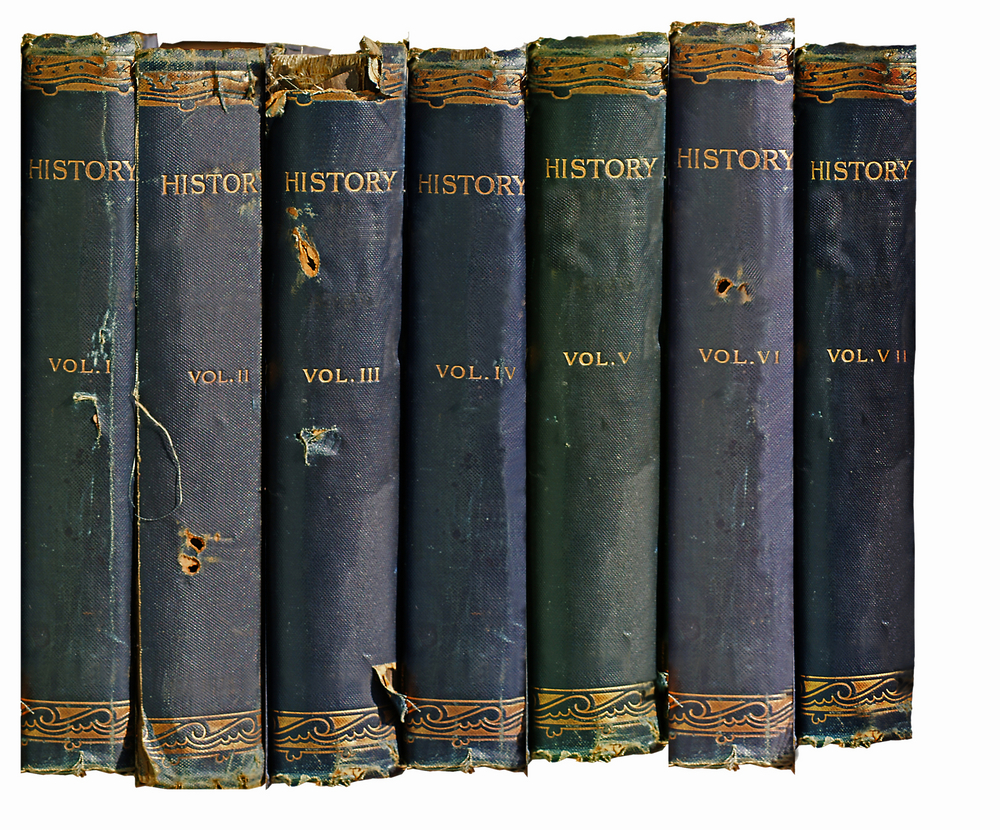
A Hidden AirTag Raised an Unsettling Question About Where Thousands of Books Were Going
There is something deeply fascinating about the journey a book takes after leaving the hands of the person who sells it. Most of the time, that journey remains invisible. A book may end up on a collector’s shelf, inside a university library, or in the hands of someone searching for a story they have never read before. But when a rare book dealer reportedly received an enormous order for thousands of books, the scale of the purchase raised questions. Where were all these books going, and what would happen to them once they arrived?
The dealer reportedly decided to find out by hiding an Apple AirTag inside one of the books. What allegedly followed was a journey that has drawn attention far beyond the world of rare book collecting. The tracker reportedly led to an Amazon facility connected to artificial intelligence operations, where books were allegedly scanned and later shredded. The claim raises difficult questions about how technology is changing the value of physical objects and whether preserving information is always the same as preserving the things that carry it.
The Order That Raised Questions
The unusual nature of the order appears to have been what first sparked suspicion. Rare book dealers regularly work with collectors, researchers, libraries, and institutions, but a request involving thousands of books is something else entirely. At that scale, the books stop looking like individual purchases and begin to resemble part of a much larger operation.
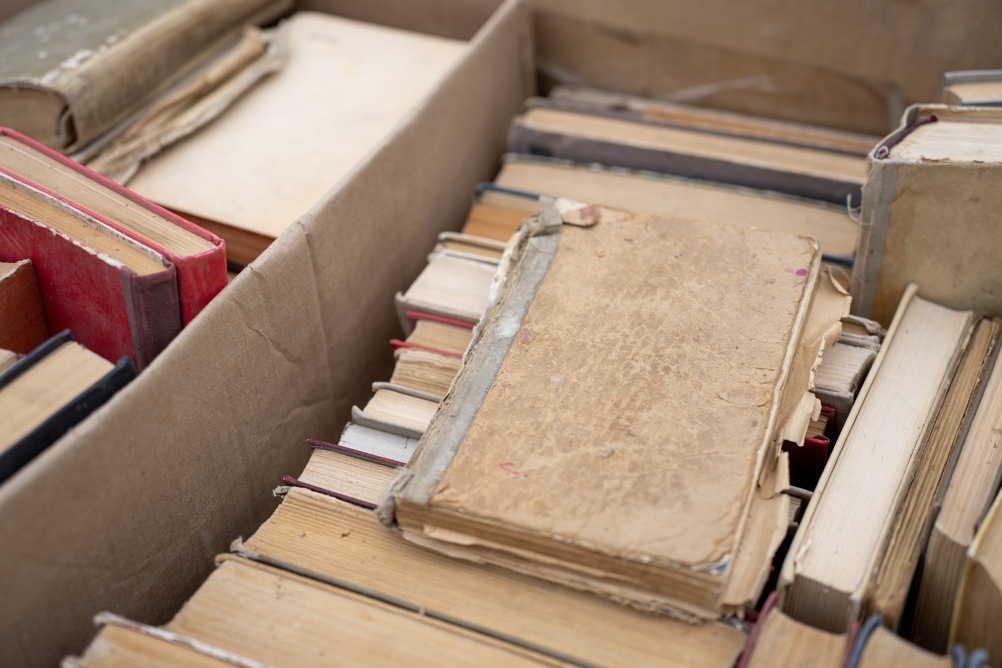
Each book may contain the same printed text as another copy, but older and rare editions often carry details that cannot be reproduced easily. The condition of the pages, the binding, handwritten notes, stamps, and marks left by previous owners can all become part of the object’s history. For someone who deals in rare books, sending thousands of such objects into an unknown destination could naturally create a sense of curiosity.
That curiosity reportedly led to a simple decision with unexpected consequences. An Apple AirTag was placed inside one of the books before it was shipped. The small device offered a way to follow the physical journey of a single copy, providing a glimpse into a process that might otherwise have remained completely hidden.
The Journey of the Hidden AirTag
According to the account, the tracker eventually led to an Amazon facility associated with artificial intelligence work. The reported destination immediately gave the story a different dimension. The books were no longer simply moving from one buyer to another but were allegedly entering a technological process designed to handle vast amounts of written information.
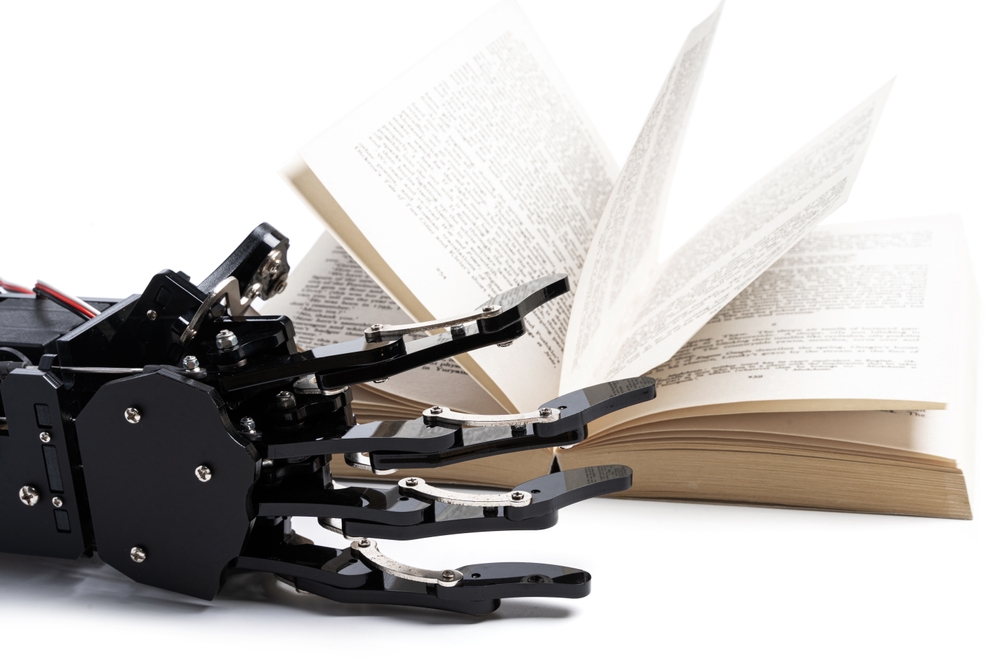
The books were reportedly scanned at the facility, allowing their contents to be converted into digital form. That process alone reflects a much larger shift in how knowledge is stored and used. Information that once existed only on physical pages can now be copied, analyzed, and processed by machines at a scale that would have seemed impossible only a few decades ago.
The most troubling part of the allegation concerns what reportedly happened afterward. The books were allegedly shredded once they had been scanned. If that account is accurate, the story presents a striking contrast between the value of information and the value assigned to the physical object that contained it.

When the Words Matter More Than the Book
For much of human history, the survival of knowledge depended on the survival of physical objects. Books, manuscripts, letters, and documents carried ideas across generations because the objects themselves were protected. A damaged library or destroyed archive could mean the permanent disappearance of stories, discoveries, and entire ways of understanding the world.
Digital technology changed that relationship by making information easier to copy. A single text can now exist in countless places at once, preserved on servers and devices far from the original book. Artificial intelligence has added another layer to this transformation because written material can be processed as data, allowing machines to identify patterns and relationships across enormous collections of text.
Yet information and objects are not always interchangeable. A scan may preserve every word on a page while losing the physical details that give a particular copy its history. The reported fate of these books therefore raises a difficult question about what is considered worth saving when technology allows the content to survive without the original object.

The History Hidden Inside Physical Books
A rare book is often more than a vehicle for the words printed inside it. Its age can reveal how ideas traveled through different periods of history, while its condition may tell a story about the people who owned and used it. A handwritten message in the margin can sometimes become as interesting to historians as the original text.
Physical books also create a direct connection between people separated by time. Someone opening an old volume may touch the same pages that another reader turned decades or even centuries earlier. That connection is difficult to translate into a digital file, even when every sentence has been preserved perfectly.
This does not mean that digitization lacks value. Digital archives have helped make knowledge accessible to people who might never have access to rare collections. The concern raised by the reported tracking story lies elsewhere: once a physical book is destroyed, the details that existed only in that particular copy may disappear forever.

Artificial Intelligence and the Demand for Written Knowledge
Artificial intelligence systems have intensified public discussions about the value and use of written material. Books contain stories, arguments, research, observations, and the accumulated work of countless human minds. As technology becomes increasingly capable of processing language, large collections of text have become part of a wider debate about data, ownership, and creative work.
The reported movement of thousands of physical books into an AI-related facility brings that debate into a particularly tangible form. Discussions about artificial intelligence often focus on code, algorithms, and digital information. A warehouse filled with physical books offers a different image, one that makes the connection between human creativity and technological systems much easier to see.
Questions surrounding how written works are acquired and used will likely continue to grow. Authors, publishers, readers, and technology companies may approach those questions from different perspectives. The reported AirTag journey adds another consideration by asking what happens to physical cultural objects when their information becomes more valuable to a system than their continued existence.

What We Choose to Preserve
The story of the hidden tracker carries a tension that extends beyond one shipment of books. Modern technology has given humanity extraordinary ways to preserve information, allowing texts to be copied and shared across the world in moments. At the same time, efficiency can encourage people to view the physical object as unnecessary once its contents have been extracted.
Books occupy a unique place in that conversation because they are both containers of knowledge and objects with lives of their own. A rare edition may contain the same words as a modern copy while carrying a completely different historical significance. The challenge is deciding whether the preservation of information alone is enough when the physical evidence of its journey through time is lost.
If the account of the AirTag is accurate, one small tracking device revealed far more than the location of a shipment. It exposed a collision between an older idea of preservation and a newer system built around extracting information at scale. As artificial intelligence continues to reshape the way knowledge is collected and used, the fate of physical books may become part of a much larger conversation about what humanity is willing to keep, and what it is willing to let disappear.
A Future That Still Needs Its Originals
Technology will continue to change the way people read, write, store, and share knowledge. Digital preservation can protect fragile texts from being lost and can make rare material available to audiences who would otherwise never see it. Those benefits are real, and they have transformed access to information in powerful ways.
But access is only one part of preservation. A physical book can carry evidence that exists outside its printed words, including its materials, history, and the traces left by the people who encountered it before. Once those details are destroyed, a perfect digital copy cannot always bring them back.
The reported journey of one hidden AirTag leaves behind a question that feels increasingly relevant in an age shaped by artificial intelligence: when we save every word but destroy the thing that carried them through history, how much of the past have we actually preserved?