


Young Woman Discovers Cancer Herself After Doctors Dismiss Symptoms for Nearly a Year
It began with something that seemed almost trivial. An itch. No rash, no redness, no visible warning sign that anything serious was unfolding beneath the surface. For most people, it would have been brushed off as irritation or a seasonal reaction. For 26-year-old Sumbul Ari, it became the first signal in a long and exhausting journey that would test her physically, emotionally, and mentally.
Her story has resonated widely because it highlights something many people fear but struggle to articulate. What happens when your body tells you something is wrong, but no one else listens? And what does it take to keep pushing when every professional reassurance tells you to stop worrying?
A Healthy Life Before Everything Changed
Before her symptoms began, Sumbul Ari’s life reflected discipline, consistency, and health. She was not someone who frequently dealt with illness or uncertainty about her body. According to her account shared with PEOPLE, she maintained an active lifestyle that included running half marathons, powerlifting, and indoor rowing.
She trained almost every day, prioritized sleep, and avoided habits like smoking or excessive drinking. Her annual medical checks consistently returned normal results. There were no warning signs in her medical history, no red flags that would suggest anything serious was on the horizon.
That context makes what followed even more difficult to process. When symptoms began, there was no obvious reason to suspect something as serious as cancer. And yet, her body was already signaling that something was wrong.
The Itch That Took Over Her Life

In April 2025, Sumbul noticed persistent itching. At first, she assumed it was a reaction to something external. She experimented with eliminating potential triggers such as perfumes, soaps, and detergents. Nothing worked.
The itching intensified over time. It became relentless, especially at night. She described waking up repeatedly, scratching her skin to the point where it felt unbearable. There were moments when the sensation felt like something was crawling beneath her skin. Despite the severity, there were still no visible symptoms like rashes or irritation that could easily explain what she was experiencing.
Sleep became fragmented and eventually almost nonexistent. Nights turned into cycles of discomfort and exhaustion. Days followed with fatigue and frustration. What had started as a minor annoyance became the central disruption in her life.
A Growing List of Unexplained Symptoms
As months passed, the itching was no longer the only issue. Other symptoms began to appear, slowly building into a pattern that was difficult to ignore.
She experienced night sweats that left her drenched. Her appetite declined, and her energy levels dropped significantly. She dealt with recurring infections, a persistent cough, and even episodes of brain fog that made daily functioning more difficult.
At first, many of these symptoms were easy to dismiss individually. Night sweats could be environmental. Fatigue could be due to overtraining. Acne and skin changes could be hormonal. But together, they painted a different picture.
Despite this, her medical visits did not lead to answers.
Dismissed, Reassured, and Sent Away
Sumbul sought help early in her experience. After two months of ongoing itching, she visited her first doctor. She explained her symptoms clearly, including the severity of her discomfort and the lack of sleep.
The response was simple. She was told to moisturize. The doctor suggested dry skin as the likely cause, attributing it to the climate.
Unsatisfied, she sought additional opinions. Another doctor treated her for infections and scabies but dismissed the broader pattern of symptoms. When she returned with no improvement, she recalls being told, “It’s just one of those things.”
Over time, she consulted multiple healthcare professionals. General practitioners, specialists, and alternative practitioners all offered different explanations. She was treated for eczema, fungal infections, parasites, and more. She was prescribed antihistamines, antibiotics, sleeping pills, and creams. None of these interventions resolved the underlying issue.
Repeated tests, including blood work and stool samples, came back largely normal. With no clear diagnostic result, her concerns were repeatedly minimized.

When Medical Answers Don’t Come
After months of unsuccessful consultations, Sumbul reached a breaking point. The physical symptoms were only part of the struggle. The emotional toll of not being believed or taken seriously added another layer of distress.
She described feeling exhausted on every level. The lack of answers began to affect her mental health. There were moments when she felt hopeless, questioning how long she could continue living with such intense discomfort and uncertainty.
Eventually, she stopped seeking medical help for a period of time. But she did not stop searching for answers.
Turning to the Internet for Clues
Without clear guidance from doctors, Sumbul began researching her symptoms on her own. She spent nights going through online forums, reading about other people’s experiences, and trying to piece together patterns that matched her own.
She described this process as a Reddit rabbit hole. It became a nightly routine, driven by the need to understand what was happening to her body.
She explored every possible explanation. She checked her home for mold and removed it. She tried home remedies for conditions like athlete’s foot. She experimented with different treatments suggested by online communities.
Nothing worked. The symptoms persisted, and in some cases, worsened.
The Moment Everything Clicked
In March 2026, nearly a year after her symptoms began, Sumbul noticed a small lump in her neck. It was not entirely new. She had felt something similar before but had not considered it significant at the time.
This time, combined with months of unresolved symptoms, it felt different.
She searched online for “lump on neck.” Among the results was information about lymphoma. As she read further, she encountered a list of symptoms that immediately resonated with her experience.
Itchy skin. Night sweats. Fatigue.
According to her interview with PEOPLE, she said, “As soon as I read itchy skin, night sweats and fatigue, I knew I had cancer.”
It was a moment of clarity that came not from a medical professional, but from her own research.
Finally Being Taken Seriously

Armed with this realization, Sumbul returned to the doctor. This time, she approached the appointment differently. She presented her full history, explained the progression of her symptoms, and specifically requested further investigation.
Her persistence made a difference. An ultrasound revealed abnormal and enlarged lymph nodes. What followed was a series of urgent tests, including scans and a biopsy.
The results confirmed what she had already begun to suspect.
In March 2026, she was diagnosed with Stage 2 to 3 Hodgkin lymphoma, a type of cancer that affects the lymphatic system and the white blood cells known as lymphocytes.
A Diagnosis That Brought Relief
For many people, a cancer diagnosis is associated with fear and uncertainty. For Sumbul, the dominant emotion was something else entirely.
Relief.
She explained that by the time she received her diagnosis, she was so overwhelmed by her symptoms that having an answer felt like a breakthrough. She said she did not care what the diagnosis was. She just wanted the itching to stop and to be able to sleep through the night.
At the same time, the relief was accompanied by frustration and anger. She had spent nearly a year seeking help, only to be dismissed repeatedly.
“There is nothing more frustrating than knowing there is something incredibly wrong, but being brushed off,” she shared.

Treatment and Immediate Changes
Shortly after her diagnosis, Sumbul began chemotherapy. The response was rapid and dramatic.
According to her account, after her first treatment session, the symptoms that had dominated her life for nearly a year began to disappear.
The itching stopped.
She was able to sleep through the night without waking up in discomfort. For the first time in months, she woke up feeling rested. She described the experience as something she had almost forgotten was possible.
Her energy began to return, and her overall physical state improved. While chemotherapy can often come with significant side effects, she reported minimal issues beyond some fatigue.
Living Through the Emotional Impact
While the physical symptoms improved, the emotional impact of her experience remained complex.
She spoke openly about the difficulty of putting her life on pause. She had worked hard to build her routine, her fitness, and her career. Suddenly, everything changed.
Even with a positive response to treatment, there were moments of emotional strain. Processing the diagnosis, reflecting on the delay in care, and adjusting to a new reality all required time and resilience.
Despite this, she maintained a forward-looking mindset. She continued to stay active where possible, focusing on movement, nutrition, and rest.
A Message About Being Heard
One of the most powerful aspects of Sumbul’s story is the message she has chosen to share with others.
She emphasizes the importance of listening to your body and advocating for yourself, especially when something feels wrong.
Her experience highlights a gap that can exist in healthcare, where symptoms that do not fit typical patterns or expectations may be overlooked. She has spoken about the need for greater empathy and awareness, particularly when it comes to younger patients who may appear healthy on the surface.
She also expressed disappointment in how her concerns were handled, noting that earlier investigation could have led to an earlier diagnosis.
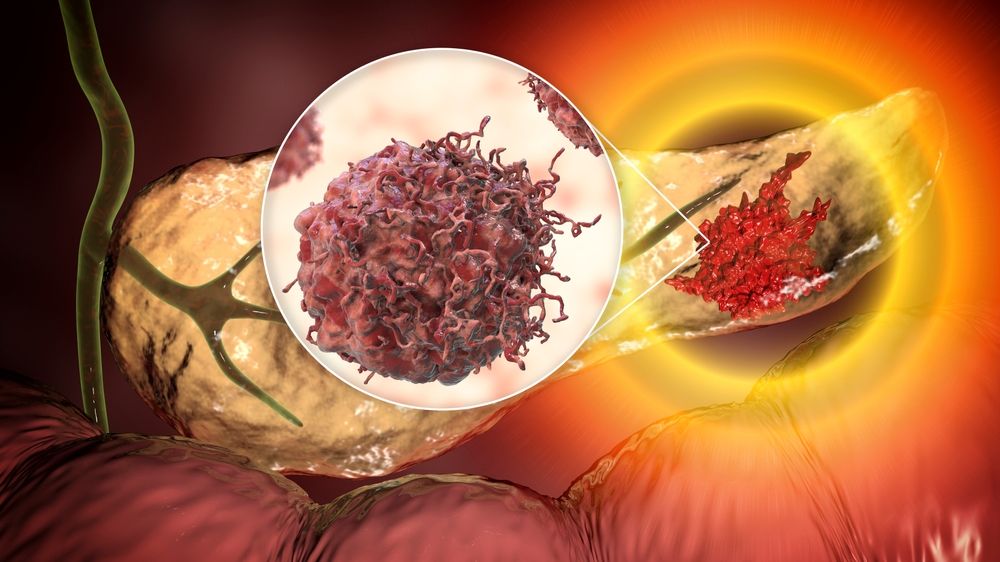
Understanding Hodgkin Lymphoma
Hodgkin lymphoma is a type of cancer that originates in the lymphatic system, which plays a key role in the body’s immune function. It affects lymphocytes, a type of white blood cell.
Common symptoms can include:
- Persistent itching without a clear cause
- Swollen lymph nodes, often in the neck, armpits, or groin
- Night sweats
- Unexplained weight loss
- Fatigue
- Fever
One of the challenges with this condition is that some symptoms can be vague or easily attributed to less serious causes. This can make early detection more difficult, particularly if symptoms appear gradually.
The Bigger Picture Behind the Story

Sumbul Ari’s experience is not just about a delayed diagnosis. It reflects a broader issue that many people face when dealing with unexplained health concerns.
There is often a tension between reassurance and investigation. While it is important not to jump to conclusions, it is equally important to recognize when symptoms persist and require deeper exploration.
Her story also illustrates the growing role of self-education. While online research can sometimes lead to misinformation, in her case, it became a critical tool in identifying a serious condition that had been overlooked.
Moving Forward One Day at a Time
Today, Sumbul is in the middle of her treatment and reports feeling significantly better physically. She continues to focus on recovery, maintaining a routine that supports her health and well-being.
She has also shared her goal of completing an Ironman before turning 30, framing her experience not as an endpoint but as a challenge to overcome.
Her approach reflects a balance between acceptance and determination. She acknowledges the difficulty of what she has gone through while continuing to look ahead.
A Story That Leaves a Lasting Impression
At its core, this story is about persistence. It is about trusting your instincts even when they are questioned. It is about continuing to search for answers when the path forward is unclear.
Sumbul Ari’s experience serves as a reminder that symptoms should not be dismissed simply because they are difficult to explain. It also underscores the importance of communication and empathy in healthcare.
For readers, the takeaway is not to assume the worst, but to remain attentive and proactive when something feels off. Seeking a second opinion, asking questions, and documenting symptoms can make a significant difference.
Her journey began with an itch that no one could explain. It ended with a diagnosis that changed her life, but also gave her something she had been searching for all along.
An answer.