

Mom Of A 24-Week Preemie Crochets Tiny Octopuses To Comfort Babies In The NICU
When Joelle Haley gave birth to her son Kieran at just 24 weeks after going into labor on Christmas Day, she was suddenly thrown into the exhausting, emotional world that so many NICU parents know too well. Instead of bringing her newborn home and settling into the kind of early motherhood she may have imagined, she found herself sitting beside incubators, machines, and medical equipment, trying to make sense of a reality where every tiny movement and every quiet moment could carry enormous emotional weight. In the soothing darkness of a Detroit hospital room, there was one feeling she could not shake: the fear of having to leave her baby behind, even for a little while, knowing that love alone could not physically stay beside him every second she had to step away.
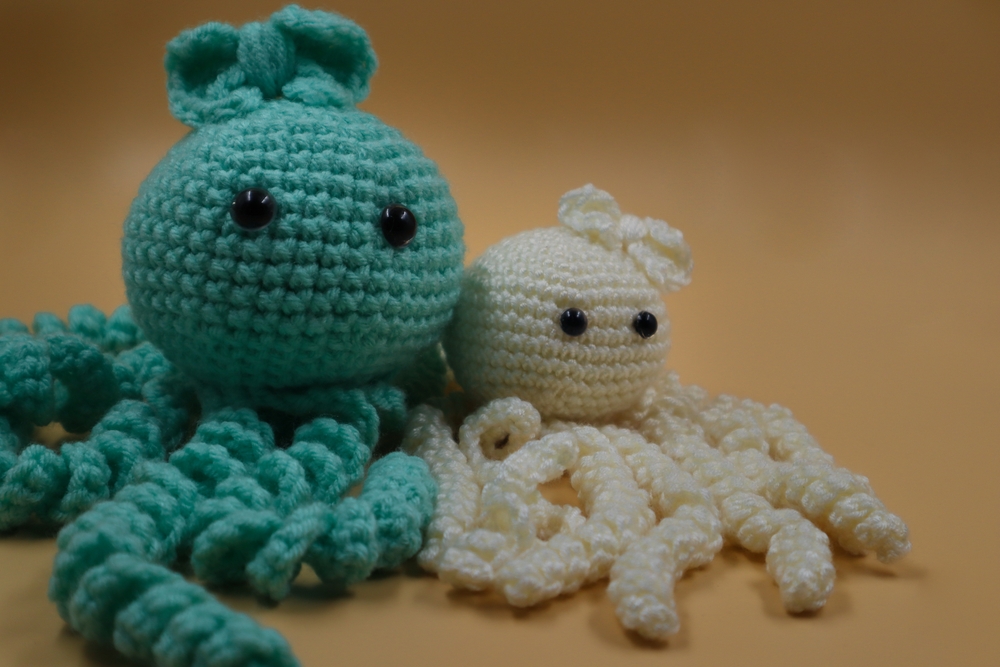
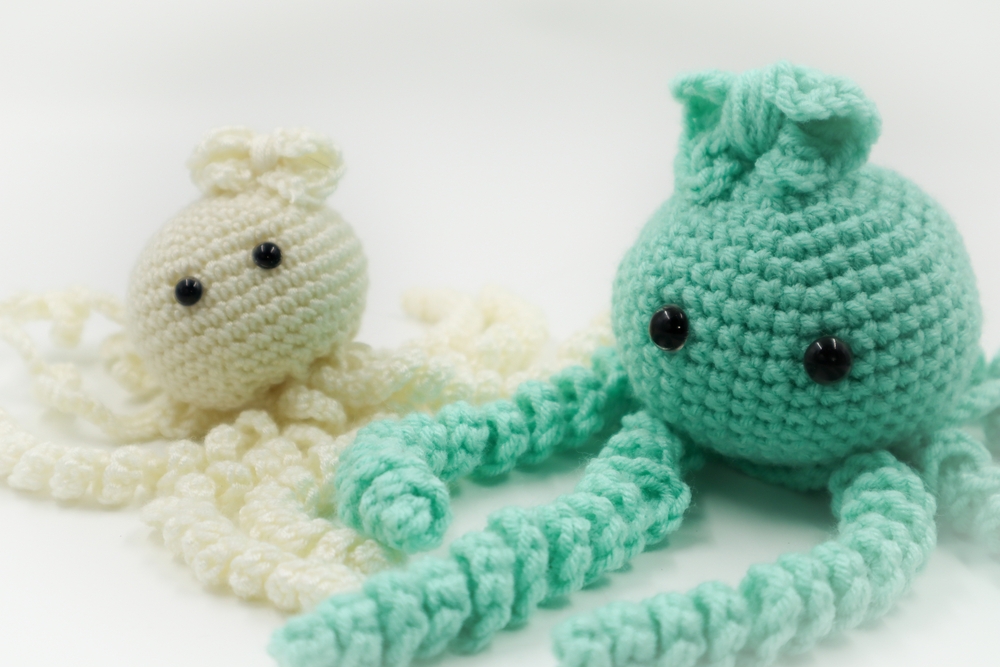
That fear eventually turned into something unexpectedly beautiful. What began as one mother trying to find a small source of comfort for her own premature baby has now grown into a touching act of kindness for dozens of other families facing the same uncertainty. At the Children’s Hospital of Michigan Neonatal Intensive Care Unit at DMC Hutzel Women’s Hospital, colorful crocheted yarn octopi are now being placed beside fragile newborns, offering both practical comfort and emotional reassurance. The tiny handmade creations are soft, bright, and easy to remember, but what makes them so powerful is not just how they look. It is what they represent in a space where families are often hanging on by hope, routine, and the smallest signs of relief.
A Christmas birth that changed everything for one Detroit family
According to the Associated Press, Haley went into labor on Christmas Day and gave birth two days later to Kieran, who arrived far earlier than expected. Babies born at 24 weeks are considered extremely premature, which means the earliest days and weeks of life often depend on highly specialized care, constant monitoring, and medical support that can feel overwhelming for parents. Instead of the usual first days of newborn bonding at home, Haley’s earliest memories with her son were shaped by the sights and sounds of intensive care.
For many parents, the NICU is not just a hospital ward. It is a place where joy and fear exist side by side. Parents learn to celebrate small milestones while quietly carrying the anxiety that can come with every setback, every procedure, and every hour spent away from their child’s bedside. That emotional strain can be hard to explain to people who have never lived through it, because even in moments when medical staff are reassuring and everything appears stable, there is still a constant ache attached to not being able to care for your baby in the way you had imagined.
That was the emotional gap Haley kept returning to. She explained exactly what was weighing on her when she said, “It was very hard to leave my son here, knowing he was in good hands even, because I was afraid ‘what if he’s upset and he has nothing or no one to comfort him in that moment?’” That single thought captures so much of what parents in neonatal care carry with them. The staff may be exceptional, the treatment may be life-saving, and yet the emotional reality of walking away from your tiny baby can still feel unbearable.
The tiny octopus that offered comfort in a place full of fear
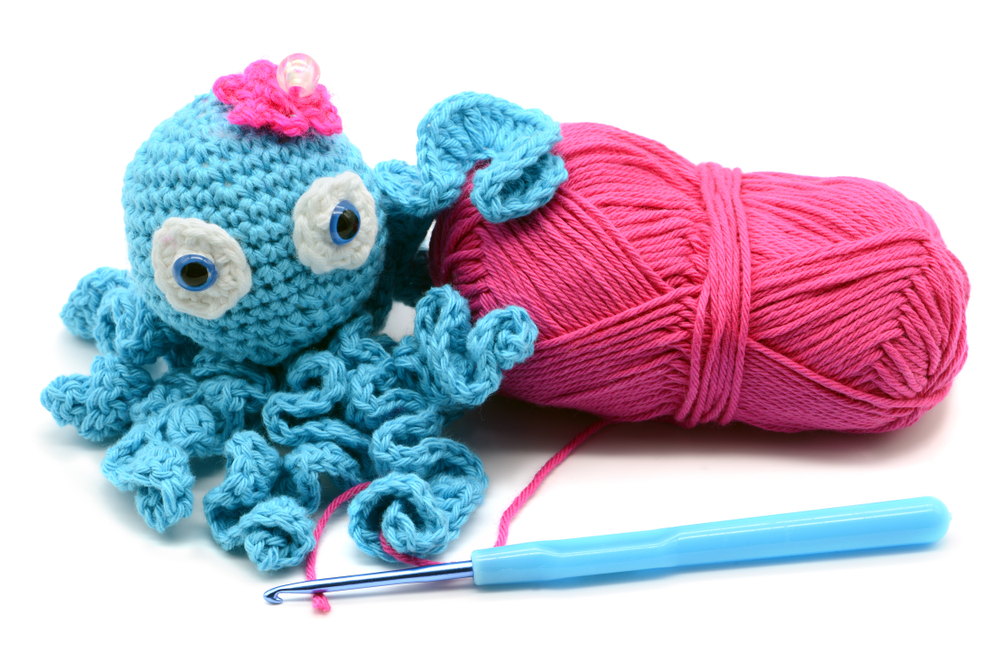
The thing Haley felt was missing was not some expensive piece of equipment or dramatic intervention. It was something soft, familiar, and comforting. That missing piece eventually became a crocheted yarn octopus, small enough to sit near a preemie in the NICU and simple enough to become a source of calm in an environment that can otherwise feel intensely clinical. These octopi, made in bright colors and crafted with care, are known through the Japanese art form of Amigurumi, which focuses on creating small plush animals and figures from yarn.
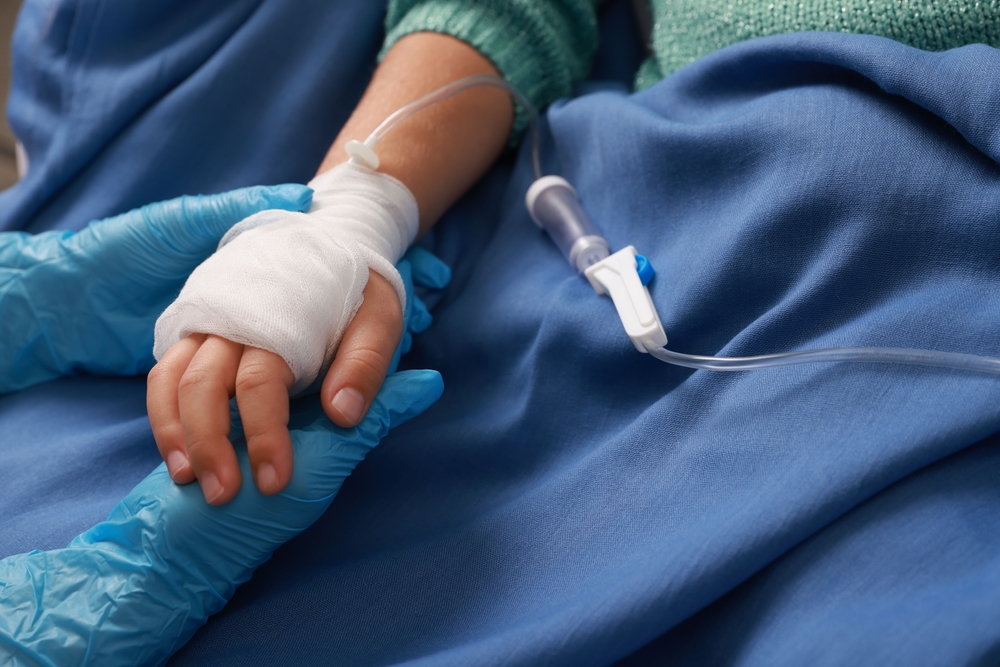
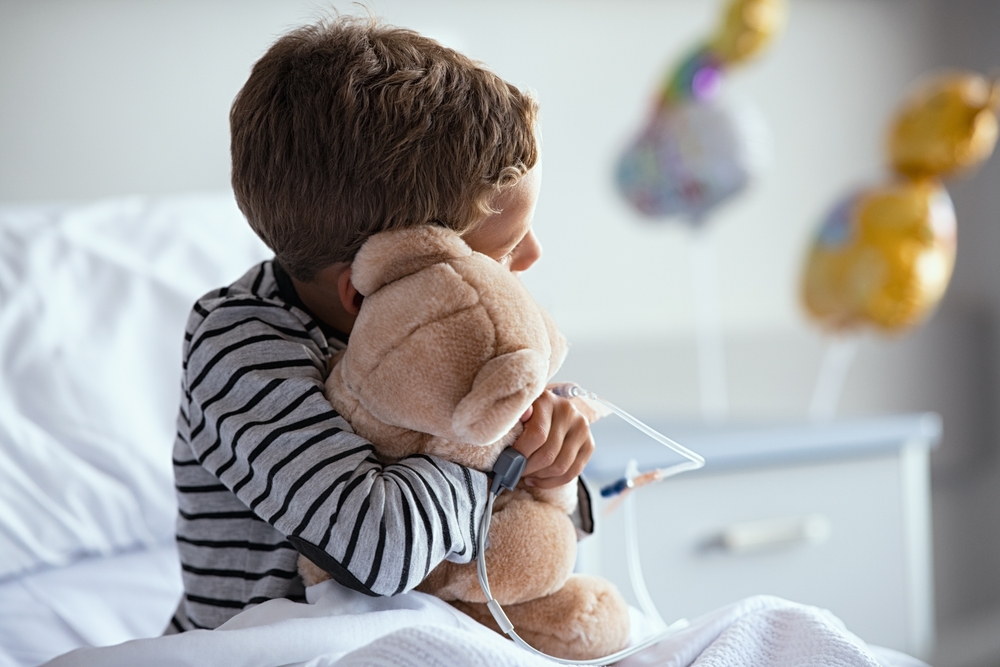
In the NICU, however, these octopi are more than just cute handmade items. They can serve a practical purpose for babies who are surrounded by medical lines, breathing support, and monitoring equipment. Their tentacles can give tiny hands something to touch and hold, which can help stop babies from reaching for and tugging on the tubes and wires that are keeping them stable. For parents, that practical function matters just as much as the emotional one because even a small reduction in stress or risk can feel enormous when your baby is medically fragile.
Haley spoke about what it meant to know her son had something beside him, saying, “Just knowing he has something near him that brings him comfort helps me feel better so that I can also take care of me.” That line is especially powerful because it shows how comfort in the NICU is never only about the baby. It is also about what parents need in order to keep going. If a small object can make a mother feel like her child is a little less alone when she is not there, that comfort ripples outward in ways that are difficult to measure but easy to understand.
How a simple crochet skill turned into something much bigger
Haley did not begin this project with a plan to launch a movement or attract attention. She started making the octopi after overhearing a nurse mention that more of them would be helpful in the NICU. That casual comment was enough to spark something in her. Having crocheted since second grade, she already had the skill and the rhythm of the craft in her hands. What she needed was a reason, and in that moment she found one that felt deeply personal.
From there, she began crocheting the octopi herself and gradually turned her own coping mechanism into something that could help other families too. According to the reporting in your reference material, Haley had made around 20 herself and said each one takes her about 30 minutes to complete. That may not sound like much on paper, but when someone is balancing hospital visits, emotional exhaustion, and the stress of having a baby in intensive care, even half an hour of focused effort becomes a meaningful act of care.
There is also something striking about how handmade projects like this can grow. They begin quietly, almost privately, and then take on a life of their own once other people understand what is needed. Haley reached out on social media, and what followed was a response that transformed one mother’s effort into a much wider community project. It was no longer just about one baby or even one family. It became a way for strangers to show up for people they would probably never meet.
Donations poured in from across Michigan after she asked for help
Once Haley shared the need online, the response was immediate and moving. She said, “The last time I counted there had been 175 that had been donated, and there are more on the way. They came from all over Michigan.” That kind of response says something important about people and the way they often want to help when they are given a clear, tangible way to do it. Many people feel helpless when they hear about babies in intensive care or families dealing with medical uncertainty, but a project like this turns compassion into something visible and useful.
The beauty of this kind of effort is that it is both simple and deeply human. A crocheted octopus is not a grand or flashy gesture. It is a small handmade item created through time, attention, and care. Yet that is exactly why it lands so powerfully. In a world where support can sometimes feel abstract or performative, there is something undeniably meaningful about a person sitting down with yarn and creating something with their own hands for a child they will likely never know.
It also reminds people that community care often begins with one person paying attention. Haley did not need a large organization behind her to get started. She just listened, responded to a need, and then invited others to do the same. That pattern is often what makes stories like this spread so quickly online. People are not just reacting to the emotional image of tiny octopi in hospital bassinets. They are responding to the idea that ordinary people still have the power to make frightening situations feel a little softer.
Doctors say the octopi can help keep babies safer too
This story resonates emotionally, but it also carries a very practical side that makes the effort even more meaningful. Dr. Jorge Lua, medical director at the Children’s Hospital of Michigan Neonatal Intensive Care Unit at DMC Hutzel Women’s Hospital, explained that some babies in the unit require breathing support and other forms of medical assistance that depend on tubes staying securely in place. In a neonatal setting, that is not a small detail. It can make a serious difference in a baby’s stability.
Lua explained the risk clearly when he said, “It’s important that we keep the tube in. Some babies will grab onto them and accidentally pull them out.” He went on to describe the consequences in even more direct terms, saying, “Let’s say the breathing tubes comes out, then the baby will have breathing issues. They’re not able to breath. Their oxygenation goes down. It may make the time longer to stabilize them.” In a setting where every intervention matters, even a soft handmade item that helps redirect a baby’s hands can have real value.
That is part of what makes this story more than just heartwarming. It shows how comfort and care can overlap in a medical setting. Something that looks gentle and sentimental from the outside can also serve a purpose that matters clinically. For parents, that blend of emotional reassurance and practical benefit is incredibly powerful because it offers one more small layer of peace in an environment where peace can be hard to find.
Crocheting became a way for Joelle to cope with anxiety too
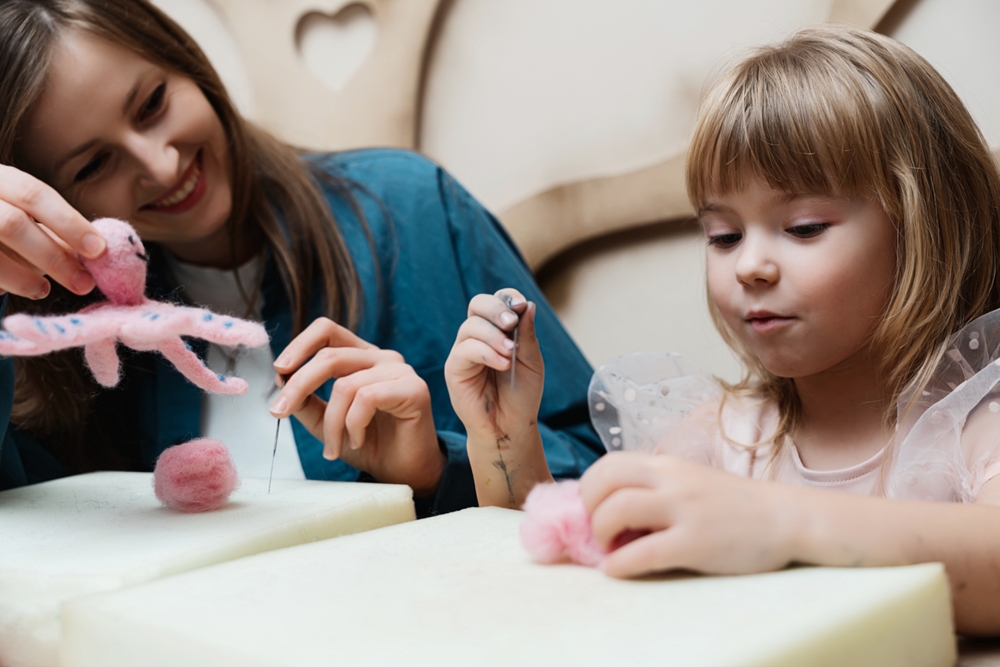
One of the most moving details in Haley’s story is that the octopi were not only helping babies and parents. They were helping her survive the emotional pressure of the NICU as well. She explained that crocheting was something she had learned from her mother and that it had long been tied to calming her mind during stressful moments. In a season of life where so much felt out of her control, the act of making something with her hands gave her a sense of steadiness.
She put that feeling into simple words when she said, “My mom taught me to help with anxiety. The repetitive motion gives me something to focus on and it just helps me feel calmer.” That detail is important because it gives the story another layer. This is not only about generosity. It is also about how people cope when life becomes overwhelming. Sometimes they turn to rhythm, craft, habit, and the small repeated actions that make a frightening day feel just a little more manageable.
That emotional honesty is part of why the story feels so relatable even to people who have never stepped foot inside a NICU. Most people know what it means to cling to something familiar when life becomes uncertain. Haley just happened to turn that familiar thing into a source of comfort not only for herself, but for many others. In that way, the octopi are carrying more than soft yarn and stuffing. They are carrying fear, love, routine, hope, and the quiet determination of a mother trying to bring comfort into a situation that offers very little control.

Why this story has touched so many people online
It is easy to see why this has become the kind of story people stop scrolling for. On the surface, it has all the ingredients of a viral human-interest piece: a tiny premature baby, a worried mother, a handmade solution, and a visual detail people instantly remember. But what really gives it emotional weight is not the image itself. It is the emotional truth underneath it. People respond to stories like this because they recognize the tenderness in them and because they offer a break from the usual cycle of outrage and noise.
There is also something especially powerful about stories where people choose softness in the middle of fear. Haley could not control every medical outcome in her son’s journey, but she found one small way to bring comfort into the room. That decision feels deeply human, and it is probably why so many people have connected with it. It is not about perfection or heroism in the cinematic sense. It is about doing what you can with what you have when the people you love need you most.
In a digital world full of dramatic headlines and endless conflict, stories like this travel far because they remind people that compassion still has a place in everyday life. They show that care does not always arrive in loud or spectacular ways. Sometimes it shows up in bright yarn, carefully stitched tentacles, and a quiet act of love repeated over and over again.
A handmade reminder that small acts can mean everything
For Haley, seeing her son with one of the octopi made the meaning of the project feel even more personal. She said, “It helps me feel, like comforted, that I was able to help other children. Seeing my son with his helps me know that he’ll be safe and comforted when I’m not here. So, I hope it brings that same feeling to other families.” That hope sits at the center of the whole story. It is not really about crochet alone. It is about wanting another parent to feel a little less afraid when they walk out of a hospital room.
That is what makes this story linger after the headline fades. It is not flashy, and it does not need to be. It is about one mother taking the fear and helplessness of a difficult situation and turning it into something useful, warm, and unexpectedly far-reaching. In a place filled with machines, medical urgency, and uncertainty, she created something soft enough to hold and strong enough to matter.
And maybe that is the real reason so many people have connected with it. Because at its heart, this is a story about what people do when they cannot fix everything. They make what they can. They offer what they have. And sometimes, that is enough to bring a little comfort into someone else’s hardest day.