

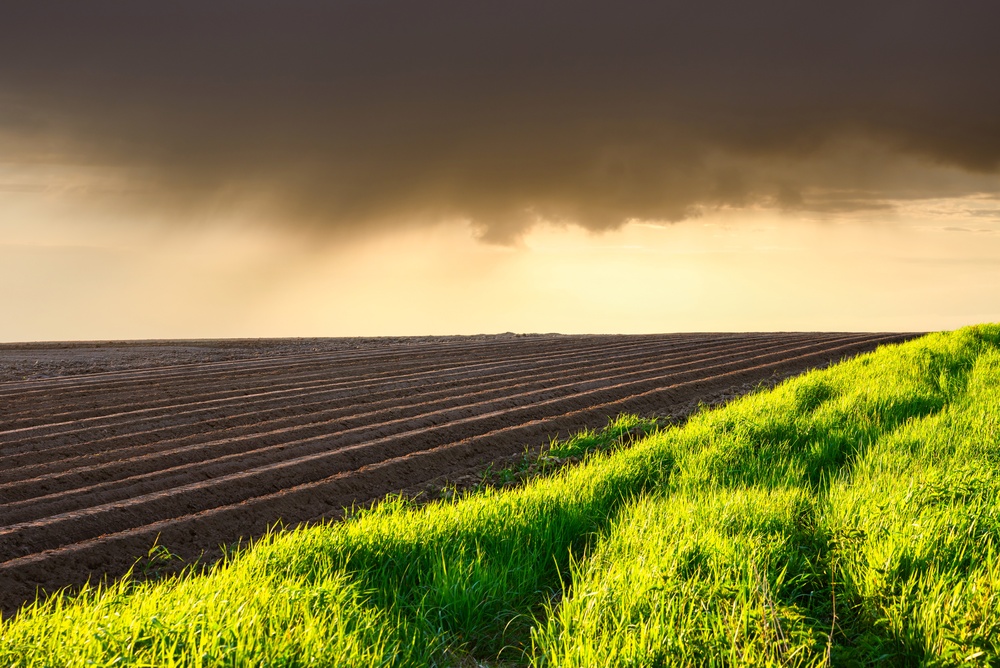
As artificial intelligence reshapes industries and fuels a race to build massive data centers across the United States, vast stretches of rural land are suddenly worth fortunes. For many landowners, these offers represent a once-in-a-lifetime opportunity to secure financial freedom. Yet one Pennsylvania farmer faced that exact choice and walked away from it. At 86 years old, Mervin Raudabaugh was offered enough money to become a multimillionaire several times over. Instead of accepting a deal that would have transformed his farmland into a large AI data center, he chose a path that left millions of dollars on the table but protected something he believed was far more valuable.
His decision has resonated far beyond Pennsylvania because it touches on a question many communities are now facing. As technology expands and demand for new infrastructure grows, what happens to the places that have fed families, supported wildlife, and shaped local identity for generations? Raudabaugh’s answer was clear. For him, the future of his land mattered more than the size of the check being offered. In a time when nearly everything seems available for the right price, his choice has become a powerful statement about stewardship, responsibility, and the meaning of legacy.
A Fortune Offered For 261 Acres
Mervin Raudabaugh has spent most of his life farming in Silver Spring Township, a community located just outside Harrisburg, Pennsylvania. Over the decades, he watched the region change as development spread into areas that were once dominated by farms and open space. Then came an offer that would have changed the course of his own property forever. Developers seeking land for a major AI data center proposed paying approximately $60,000 per acre for his 261 acres, creating a deal worth roughly $15.7 million.
Many people would struggle to imagine refusing such an offer. Yet Raudabaugh never viewed the proposal solely through a financial lens. The land represented years of work, memories, and a way of life that had shaped his identity. While others saw acreage with development potential, he saw productive farmland and a landscape that still served a purpose beyond commercial value.
Explaining his decision, Raudabaugh said, “I was not interested in destroying my farms.” He added, “That was the bottom line. It really wasn’t so much the economic end of it. I just didn’t want to see these two farms destroyed.” Those words reflected a conviction that remained stronger than any financial incentive placed before him.
The Alternative He Chose
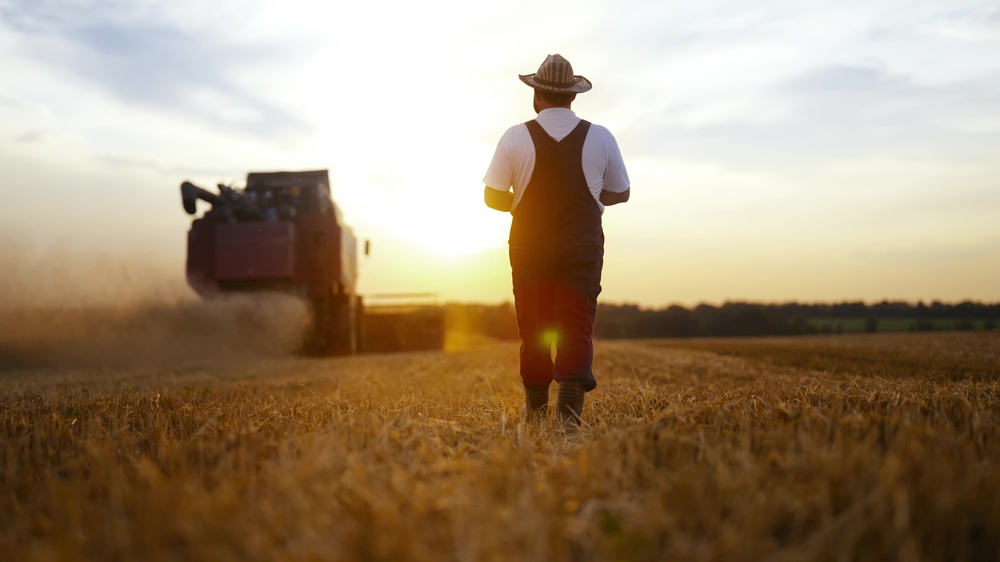
Rather than sell his land to developers, Raudabaugh pursued a different option that would permanently protect the property. In December, he sold the development rights to Lancaster Farmland Trust for just under $2 million. While the amount was substantial, it represented only a small fraction of what he could have received through the data center deal.
The agreement guarantees that the land will remain dedicated to agriculture in the future. Ownership can still change hands, but any future owner must continue using the property for farming purposes. The arrangement removes the possibility of large-scale commercial development while ensuring that the land remains productive farmland for generations to come.
Organizations such as Lancaster Farmland Trust exist to help preserve agricultural landscapes that might otherwise disappear under increasing development pressure. Their work reflects a growing recognition that farmland serves purposes extending beyond food production. These lands support local economies, wildlife habitats, water resources, and community character. Once converted to industrial or commercial use, those benefits are often lost permanently.
A Landscape That Means More Than Profit
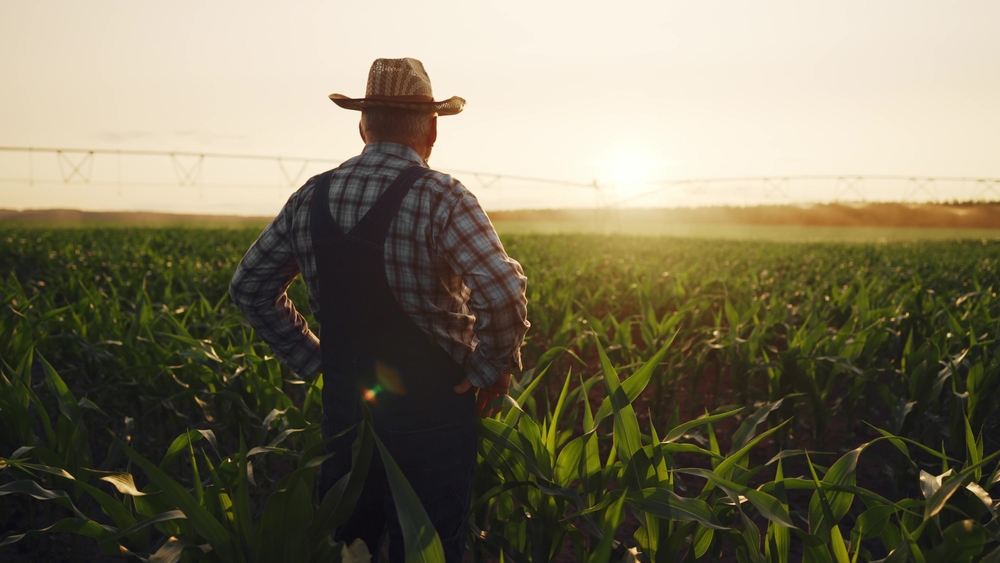
For Raudabaugh, the land’s importance extends well beyond farming. He has described the property as a refuge for wildlife and a place where nature and agriculture coexist. While economic value can be measured in dollars, the significance of a landscape often includes qualities that are much harder to calculate.
Generations of farmers have viewed themselves as caretakers rather than owners in the traditional sense. Their work involves maintaining land that existed long before them and preparing it for those who come after. That perspective can create a strong sense of responsibility that influences decisions in ways outsiders may not always understand.
As communities expand, these decisions become increasingly significant. Every preserved farm represents open space that continues supporting local food production and wildlife. Every developed parcel reflects a different set of priorities. Neither choice is simple, particularly when life-changing sums of money are involved, but Raudabaugh’s decision highlights how deeply some people value the places they have spent their lives caring for.
The Pressure Facing America’s Farm Families
Raudabaugh’s story unfolds against a challenging backdrop for agriculture. Across the United States, many farmers are struggling with rising costs while facing uncertain returns on their crops. Expenses for fertilizer, fuel, equipment, and borrowing have increased, placing additional strain on operations that often already operate on narrow margins.
These financial pressures can make development offers difficult to refuse. For some families, selling land represents an opportunity to escape debt, fund retirement, or secure financial stability for future generations. Raudabaugh understands this reality and does not criticize those who make a different choice. He recognizes that circumstances vary and that many families face difficult economic decisions.
At the same time, he worries about what continued development means for the future of farming. Reflecting on the changes taking place around him, he said, “It breaks my heart to think of what’s going to take place here, because only the land that’s preserved here is going to be here.” He continued, “The rest of every square inch is going to get built on. The American farm family is definitely in trouble.” His comments reveal concerns shared by many people who see agricultural land disappearing at a rapid pace.

Why Data Centers Are Becoming Controversial
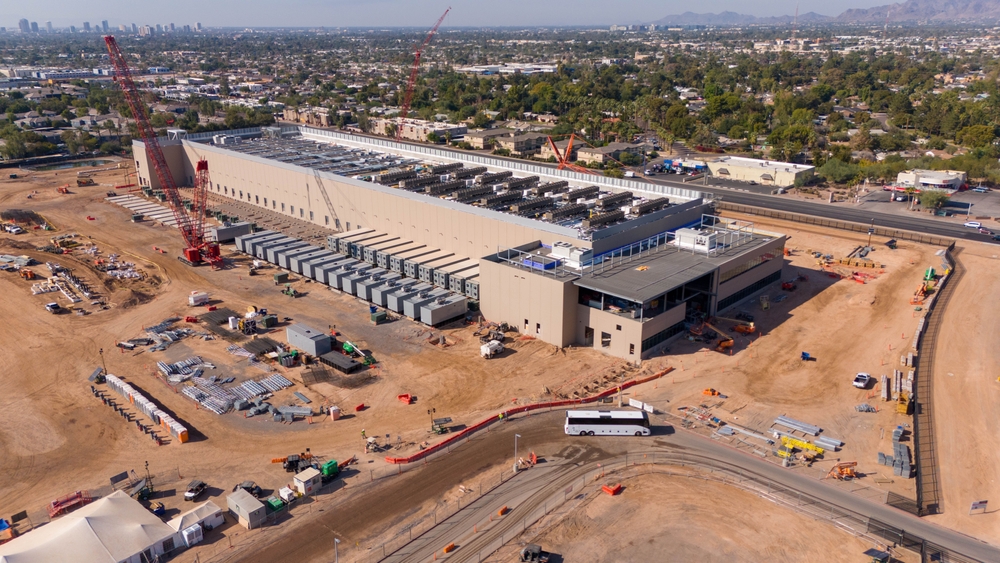
The growth of artificial intelligence has created unprecedented demand for computing power. Behind every AI tool are enormous facilities filled with servers that process and store vast amounts of information. As technology companies expand, they require more land and infrastructure to support these operations.
Pennsylvania has become an attractive destination for data center development because of its available land, transportation access, and energy resources. As proposals multiply, however, some residents have begun questioning the long-term impact of these projects on local communities.
Concerns often focus on several key issues:
- Increased electricity consumption
- Significant water usage
- Loss of farmland and open space
- Environmental impacts
- Changes to community character
Public officials have also taken notice. Some local leaders have called for closer examination of data center projects before additional approvals move forward. The debate reflects a broader challenge facing many regions as communities attempt to balance economic development with environmental and agricultural preservation.
What One Farmer’s Choice Says About Legacy
The story of Mervin Raudabaugh is not simply about farmland or technology. It is about the values that guide major decisions when competing interests collide. Money can create opportunities, but some people measure success through different standards. For Raudabaugh, preserving land that had shaped his life carried greater meaning than maximizing financial gain.
There is something deeply revealing about a person who chooses stewardship when presented with extraordinary wealth. Such decisions force us to think about how we define progress and what responsibilities accompany ownership. The answer may differ from one person to another, but the questions remain important.
Long after debates about data centers and development have faded, those 261 acres will continue producing crops beneath the Pennsylvania sky. The decision to protect them may never generate the kind of headlines that accompany billion-dollar technology projects, yet it reflects a form of foresight that future generations may come to appreciate in ways that cannot be measured in dollars.